Limi Valley Trek — 20 Days · 20 days. Questions about dates, fitness or altitude? A trek planner will answer.
20 days
Limi Valley Trek
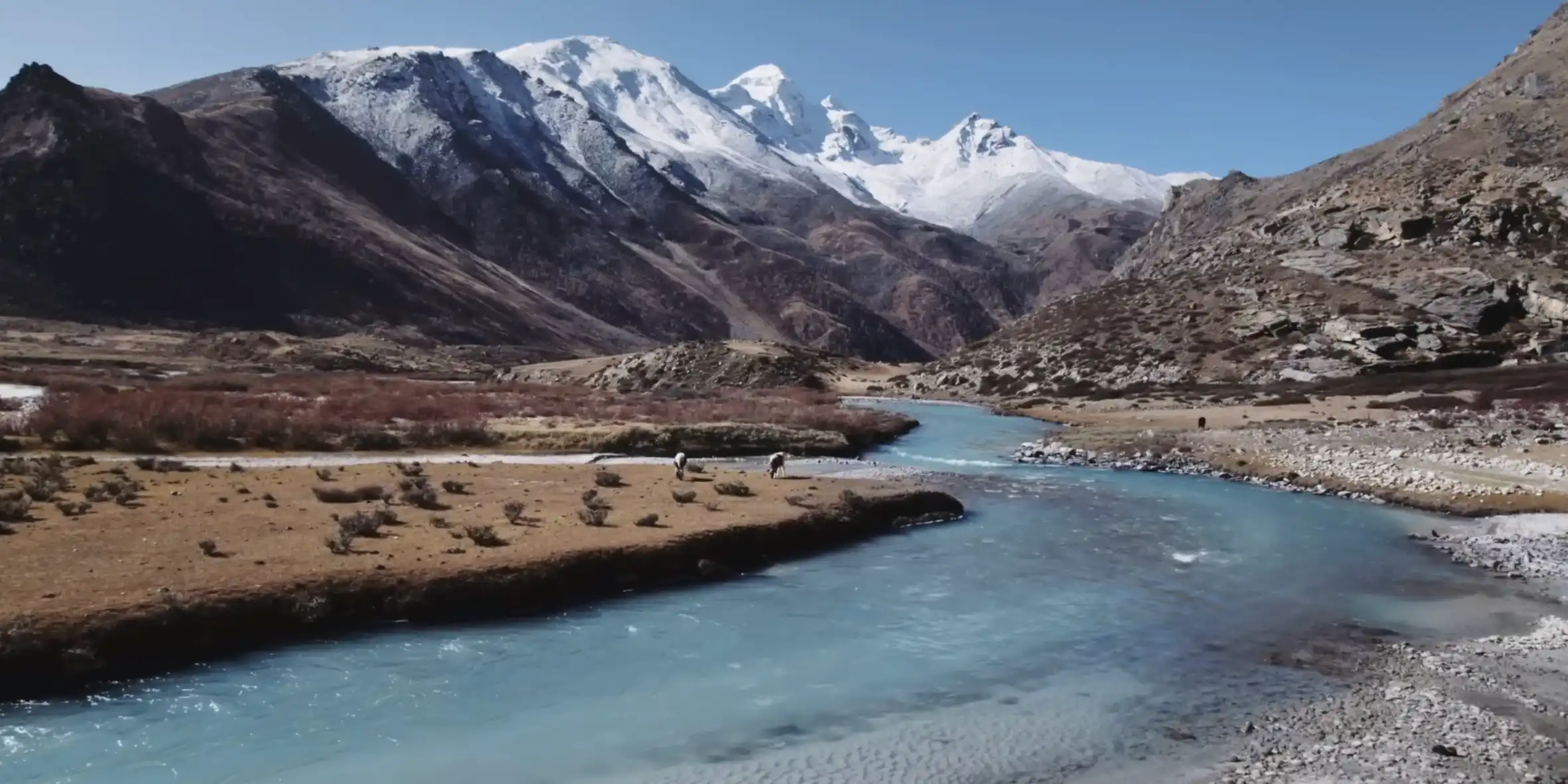
The Limi Valley Trek is a 20-day trek through the remote Humla region, focusing on Tibetan culture and the stunning landscapes of high-altitude plateaus.
Trip facts
- Duration
- 20 days
- Location
- High pass days commonly reach around the mid–high 4,000 m range (e.g., Nara La is often cited around 4,580 m).
- Highest altitude
- 4,600 m
- Route
- Typically via flights to Simikot + added trekking/driving segments; schedules and weather are limiting factors.
- Best seasons
- June–September
Elevation profile
Overview
The Limi Valley Trek offers an engaging cultural experience combined with sustained high-altitude walking. It is designed for travelers seeking to immerse themselves in Tibetan culture while enjoying the remote beauty of Humla. This trek is suitable for those with moderate fitness levels who appreciate a slower pace to fully enjoy the surroundings.
Map
Explore the route
Highlights
What sets this journey apart
1 / 5
01
Phoksundo turquoise waters
02
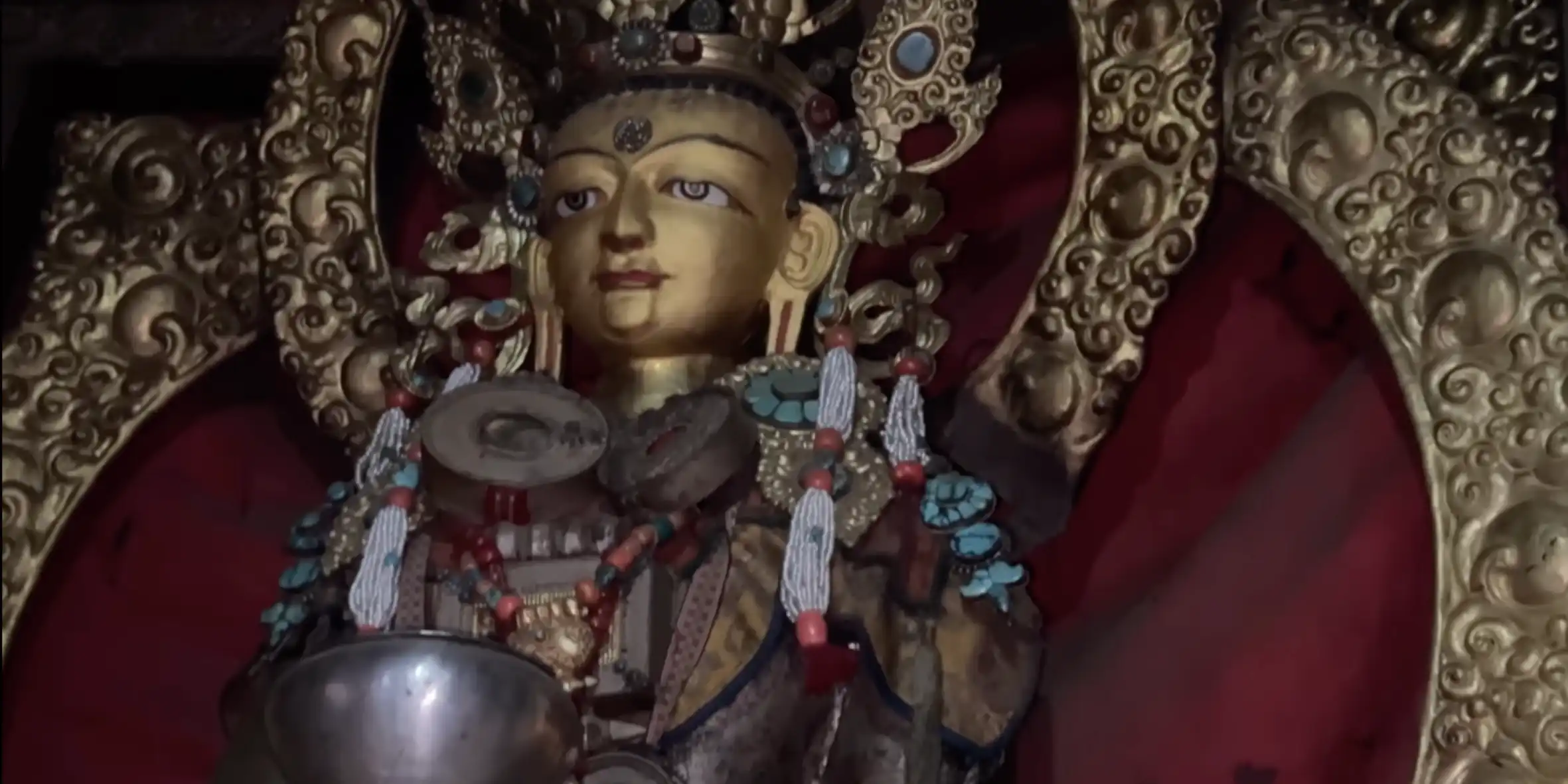
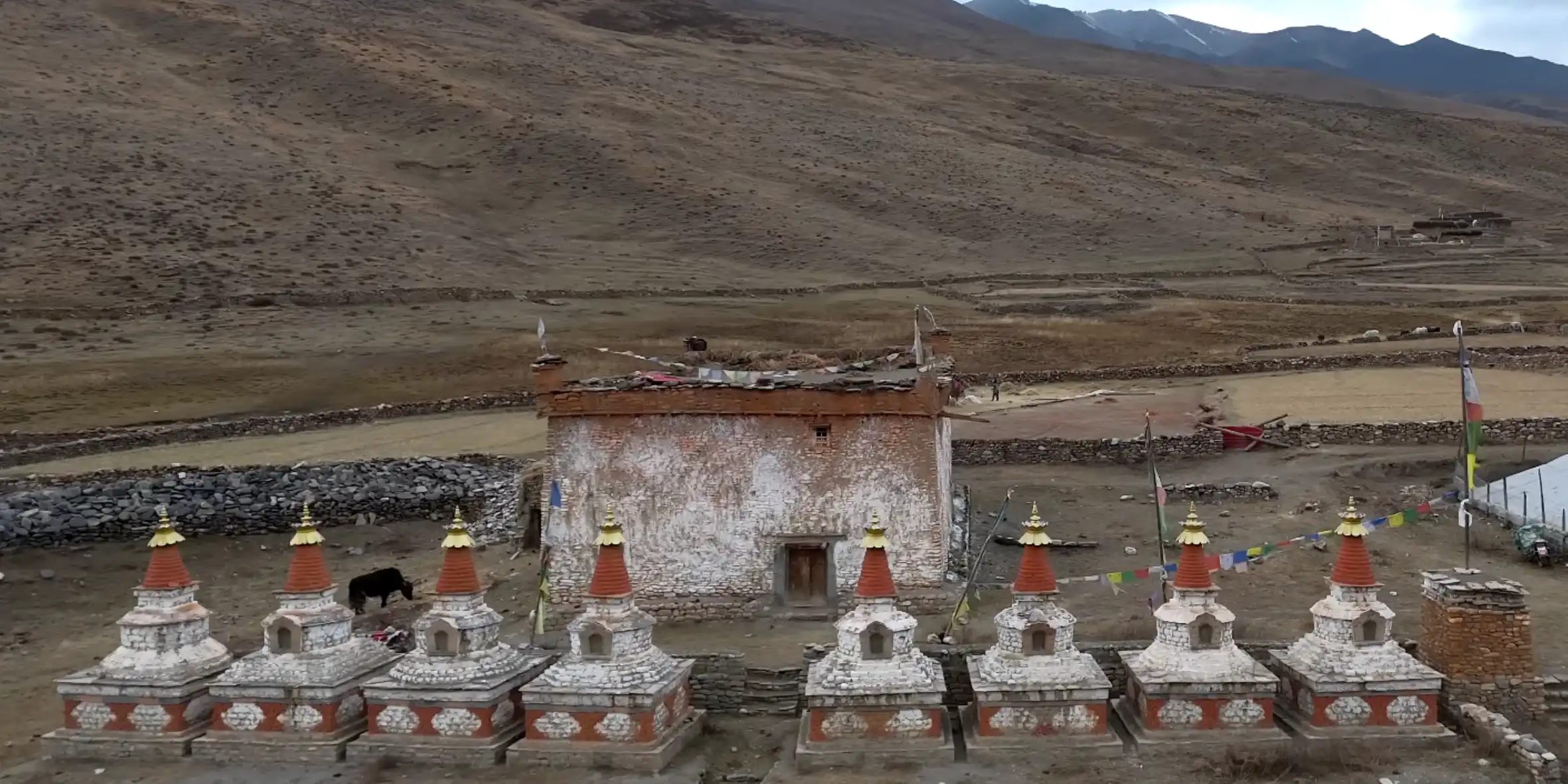
Halji monastery whispers
03
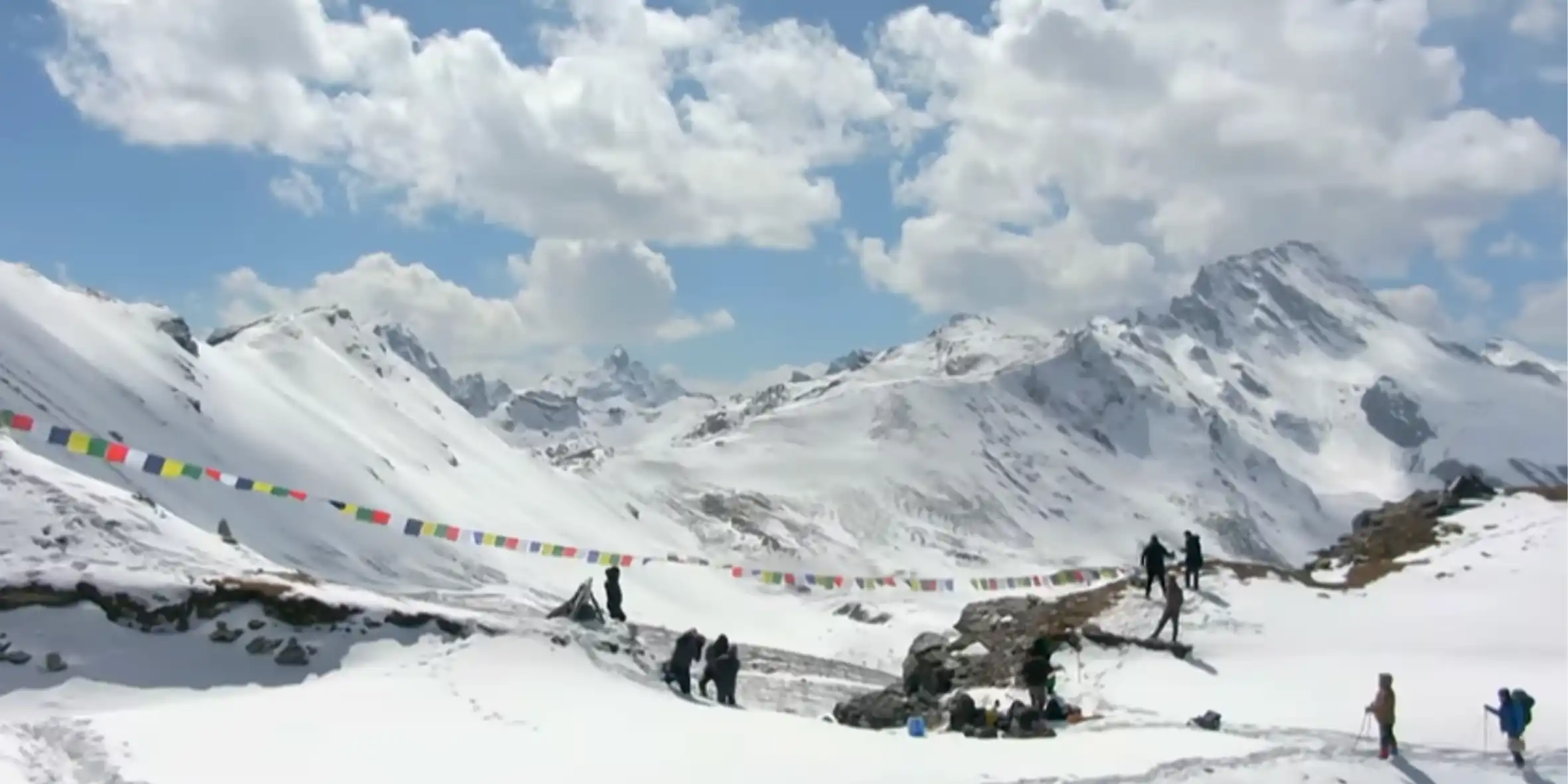
Nara La summit views
04
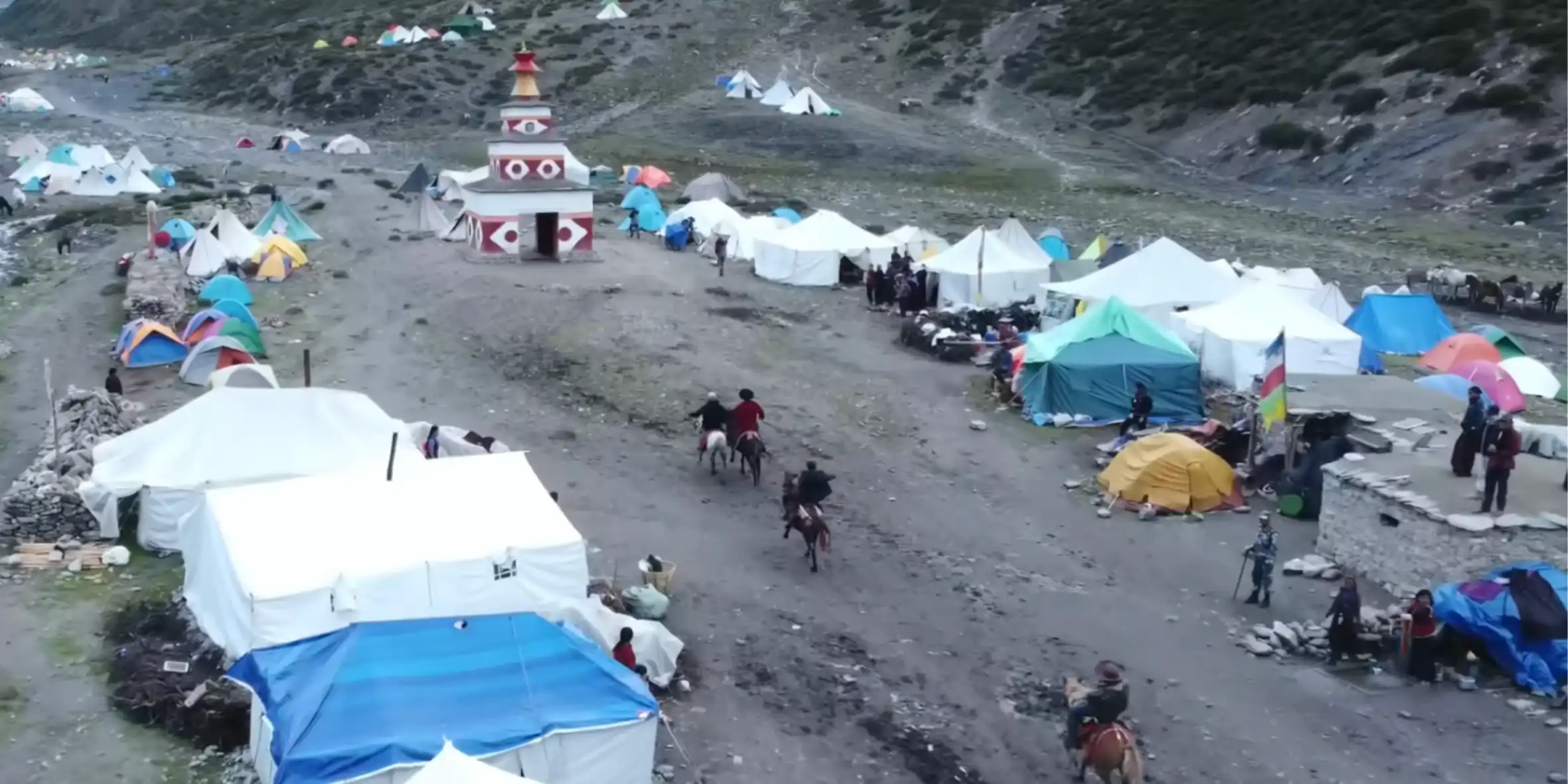
Tibetan prayer flags fluttering
05
Silent high-altitude camps
Dates & price
- Duration
- 20 days
No fixed group dates are published yet. Tell us when you would like to trek and we will confirm availability, guides and permits for your dates.
Itinerary
Day by day
After the trail
Stay a few more days
Essentials
What's covered
Included
Leader & guide
- Licensed, English-speaking trekking guide with wilderness first-aid training.
Accommodation
- Hotel accommodation in Kathmandu on twin-sharing basis with breakfast; teahouse or basic lodge accommodation during the
Internal flights
- Mountain flight from Nepalgunj to Simikot, the gateway town of Humla.
Airport transfers
- ETE representative EV private-vehicle pickup at Tribhuvan International Airport; trip briefing on arrival day; local tra
Permits & fees
- All required trekking permits and local administrative fees for this trip arranged in advance.
Porter service
- One porter for every two trekkers, ensuring you carry only a daypack.
Kathmandu meals
- Welcome and farewell dinners in Kathmandu.
Ground transportation
- Private vehicle transfers only (airport, city, and trailhead sectors as itinerary) — no shared public road transport.
Not included
Trail meals
- Lunch and dinner in Kathmandu, except welcome and farewell dinners; meals during the trek paid locally.
International flights
- International flights to and from Nepal.
Travel insurance
- Personal travel insurance with high-altitude trekking coverage (mandatory).
Nepal visa
- Nepal visa fees and immigration-related charges.
Personal equipment
- Personal trekking gear such as boots, sleeping bags, trekking poles, and backpacks.
Tips & gratuities
- Tips for guides, porters, and support staff (customary but discretionary).
Personal expenses
- Personal expenses like Wi-Fi, hot showers, battery charging, and laundry during the trek.
Extra accommodation
- Costs arising from itinerary changes due to weather conditions, flight delays, or other circumstances beyond our control
Questions
Before you commit
Answer · 01 of 10
How do west Nepal flights and road transfers work — and how should I plan buffer days?
The Limi Valley Trek typically combines a domestic flight from Kathmandu to Nepalgunj, followed by a mountain flight to Simikot, the gateway town of Humla. From Simikot, you will trek to your starting point. Weather can impact flight schedules, so it’s advisable to allow buffer days in Kathmandu for flexibility. After your trek, you may also consider extending your stay in Kathmandu, Chitwan, or Bardiya for relaxation and exploration before departing Nepal.
On this trek · High pass days commonly reach around the mid–high 4,000 m range (e.g., Nara La is often cited around 4,580 m).
Local hosts. Fair crew. Measured impact.
Leave no trace. Pay fairly. Walk as a guest.
Whole-team stewardship
Packing
What to pack
Limi Valley Trek — 20 Days kit — counts for one person.
- 01
Base layers
Moisture-wicking base layers are essential for comfort and moisture management during the trek.
- 02
Insulation & shell
Insulating mid-layers (fleece or lightweight down) and a waterproof, windproof outer shell are crucial for varying weather conditions.
- 03
Footwear
Well-broken-in trekking boots with ankle support are necessary, along with lightweight camp shoes or sandals and warm socks suitable for multi-day use.
- 04
Sleeping gear
A sleeping bag rated for sub-zero temperatures is required to ensure warmth during cold nights.
- 05
Day pack essentials
Bring a daypack for daily essentials, including trekking poles, a headlamp with spare batteries, and reusable water bottles or a hydration system.
- 06
Toiletries
Personal toiletries, including sunscreen, lip balm, and any personal medications, are important for health and comfort.
- 07
Documents & money
Keep necessary documents secure and have enough local currency for small purchases along the trek.
- 08
First aid & meds
A basic first-aid kit, blister care supplies, and water purification tablets or system are vital for health and safety on the trail.