
Eagle Trail Escapes
Carbon Emissions & Sustainability Policy
Every operational kilogram measured. Community reforestation funded. Net-zero by 2030.
Document ETE-POL-2026-004
Effective June 4, 2026
Reviewed annually

Executive summary
Alpine ecosystems are under climate threat. Guesswork is not a policy.
As an adventure travel operator in the Himalayas, Eagle Trail Escapes recognizes that mountain road transit, STOL regional aviation, teahouse lodging, and helicopter charters contribute directly to greenhouse gas emissions.
This policy establishes a standardized methodology to monitor, report, and neutralize our carbon footprint — integrating scientific carbon accounting with community-based reforestation programs across Nepal.
We commit to neutralizing the footprint of our clients and operations, aiming for net-zero carbon status by 2030.
Carbon footprint auditing
Every kilogram is logged.
Emission factors used for every trip operation inside Nepal — from arrival to departure. Exact figures. No rounding for marketing.
STOL flight — Kathmandu–Lukla
31.1 kg CO₂e
per passenger
STOL flight — Manthali–Lukla
17.8 kg CO₂e
per passenger
Teahouse accommodation
8.5 kg CO₂e
per passenger-night
Kathmandu hotel stay
15.0 kg CO₂e
per passenger-night
Road transit (shared jeep)
0.12 kg CO₂e
per passenger-km
Helicopter Gorak Shep → Kathmandu
225.0 kg CO₂e
per passenger
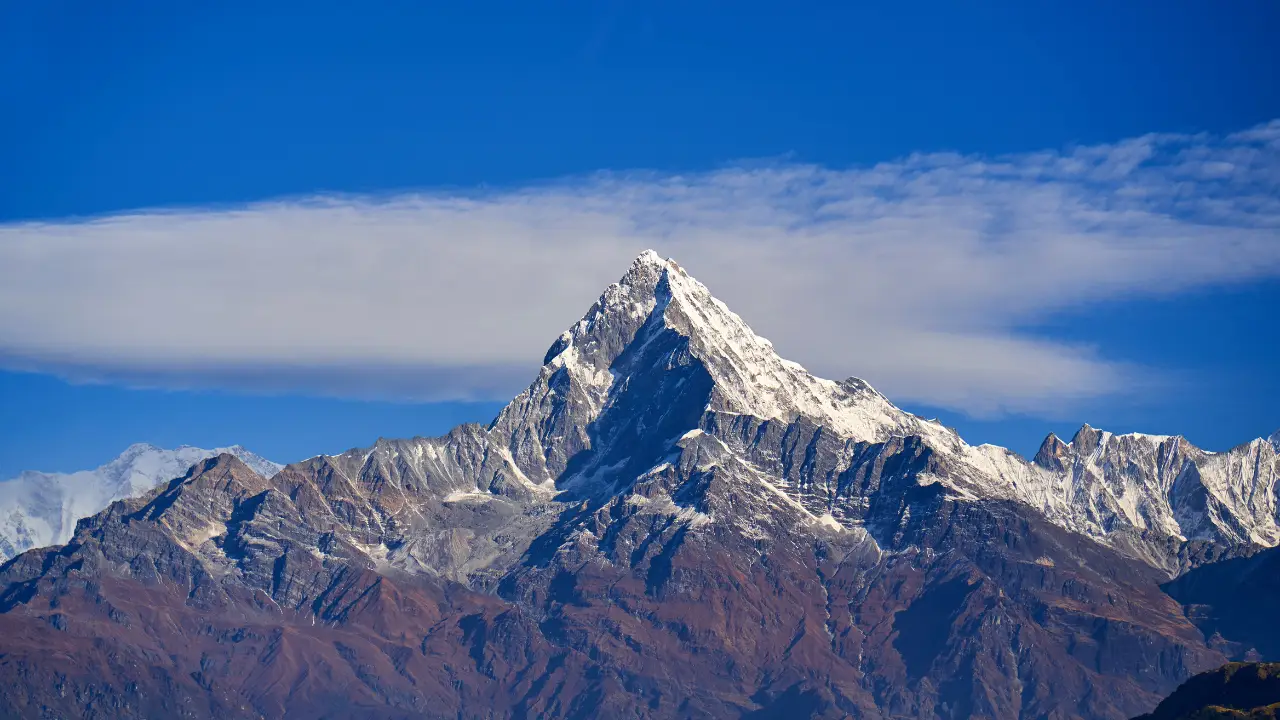
Helicopter operations
A direct heli return emits over 700% more than walking out.
Flying Gorak Shep to Kathmandu produces 225.0 kg CO₂e per passenger. Helicopter charters are a major emissions source — and we treat them as such.
Emergency exemption
Search, rescue, and medical evacuation are exempt from operational restrictions — but still recorded and offset after the trip.
VIP bookings
Clients booking helicopter upgrades are informed of their carbon premium at the time of booking. No surprises.
Mandatory surcharge
A helicopter carbon surcharge is automatically added to all charter bookings to fund sequestration.
Mandatory reforestation offsetting
The math, not the marketing.
Footprint divided by 218 kg capacity per tree, multiplied by a 20% mortality buffer, rounded up. Every booking. Every time.
ROUNDUP( Footprint kg CO₂e ÷ 218.0 × 1.20 )
Baseline sequestration
21.8 kg CO₂ per mature hardwood tree per year (US EPA standard).
10-year target
218 kg CO₂e neutralized per tree within a 10-year growth window.
Mortality buffer
20% sapling mortality buffer added to every planting calculation.
Funding
$1.50 USD per tree — nursery, planting labor, and 5 years of community forestry monitoring.
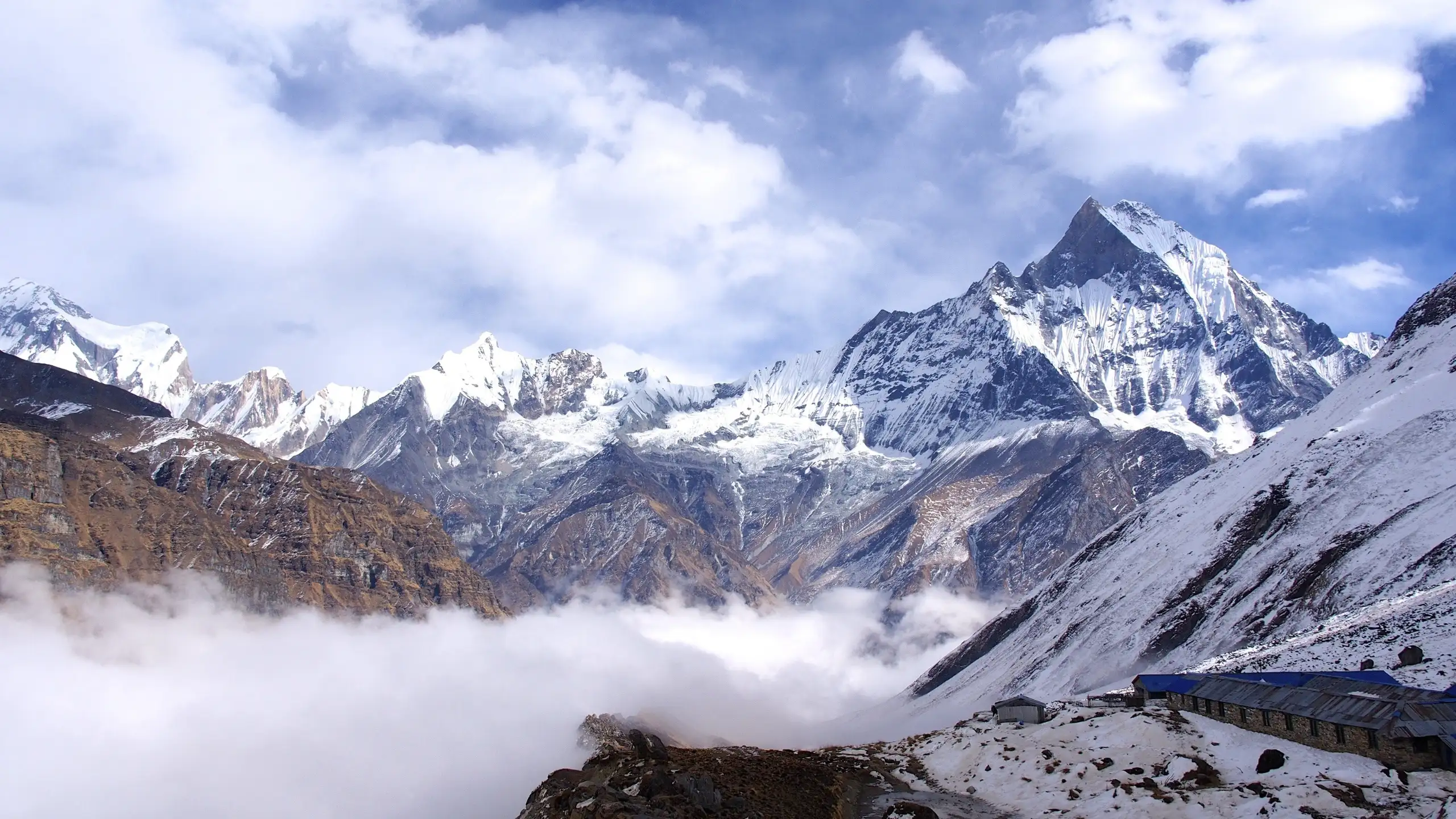
Teahouse & lodging suppliers
Who we sleep with matters.
Renewable energy
Prefer lodges using solar water heaters and micro-hydro electricity over diesel generators.
Alternative fuels
Encourage LPG or biogas cooking instead of firewood — protecting forest buffer zones.
Space heating
Support insulated dining areas and restrict wood or dung stove burning to peak dinner hours.

Corporate reporting
Transparent by design.
This policy is reviewed annually by the Executive Committee to incorporate updated emission factors from UK DEFRA and the Cornell Hotel Sustainability Benchmarking Index.
Annual Carbon Audit
Total passengers, operational emissions, trees planted, and offset funding disbursed — published every year.
Community forest channels
All tree planting funds go to verified community forest user groups (CFUGs) in the Middle Hills of Nepal.
Reforestation Certificate
Clients receive a certificate confirming coordinate locations and species of trees planted in their name.
Alongside the carbon policy
Two more vows we will not break.
01
Surrender to Safety
Licensed guides, SpO₂ monitoring twice daily, TIMS and park permits, insurance covering helicopter rescue to 6,000 m, and a five-step evacuation protocol when AMS, HAPE, or HACE appears.
02
Ironclad Social Protection
Unconditional job security, comprehensive training, and continuous social safety nets for our local staff — the heart of every journey.