Dhorpatan to Lower Dolpo Traverse — 31 Days · 31 days. Questions about dates, fitness or altitude? A trek planner will answer.
31 days
Dhorpatan to Lower Dolpo Traverse
A 31-day traverse from Dhorpatan’s alpine meadows to the high-altitude valleys of Lower Dolpo, offering a restorative Himalayan adventure.
From
$4,595
Deposit $920
Trip facts
- Duration
- 31 days
- Location
- Can include major Dolpo high passes such as Numa La (~5,310 m) and Baga La (~5,170 m), depending on the chosen line.
- Highest altitude
- 5,360 m
- Route
- Requires careful start/end planning (road approaches + possible Juphal flights); contingency days are essential.
- Best seasons
- May–June · September–October
Elevation profile
Overview
This route is suitable only for experienced trekkers prepared for long duration and logistical complexity. The trek includes high-pass challenges and traverses through diverse landscapes from Dhorpatan's alpine meadows to the valleys of Lower Dolpo. Expect to engage deeply with the local culture while navigating remote trails, making this an ideal choice for those seeking restorative adventure in the Himalayas.
Map
Explore the route
Highlights
What sets this journey apart
1 / 5
01
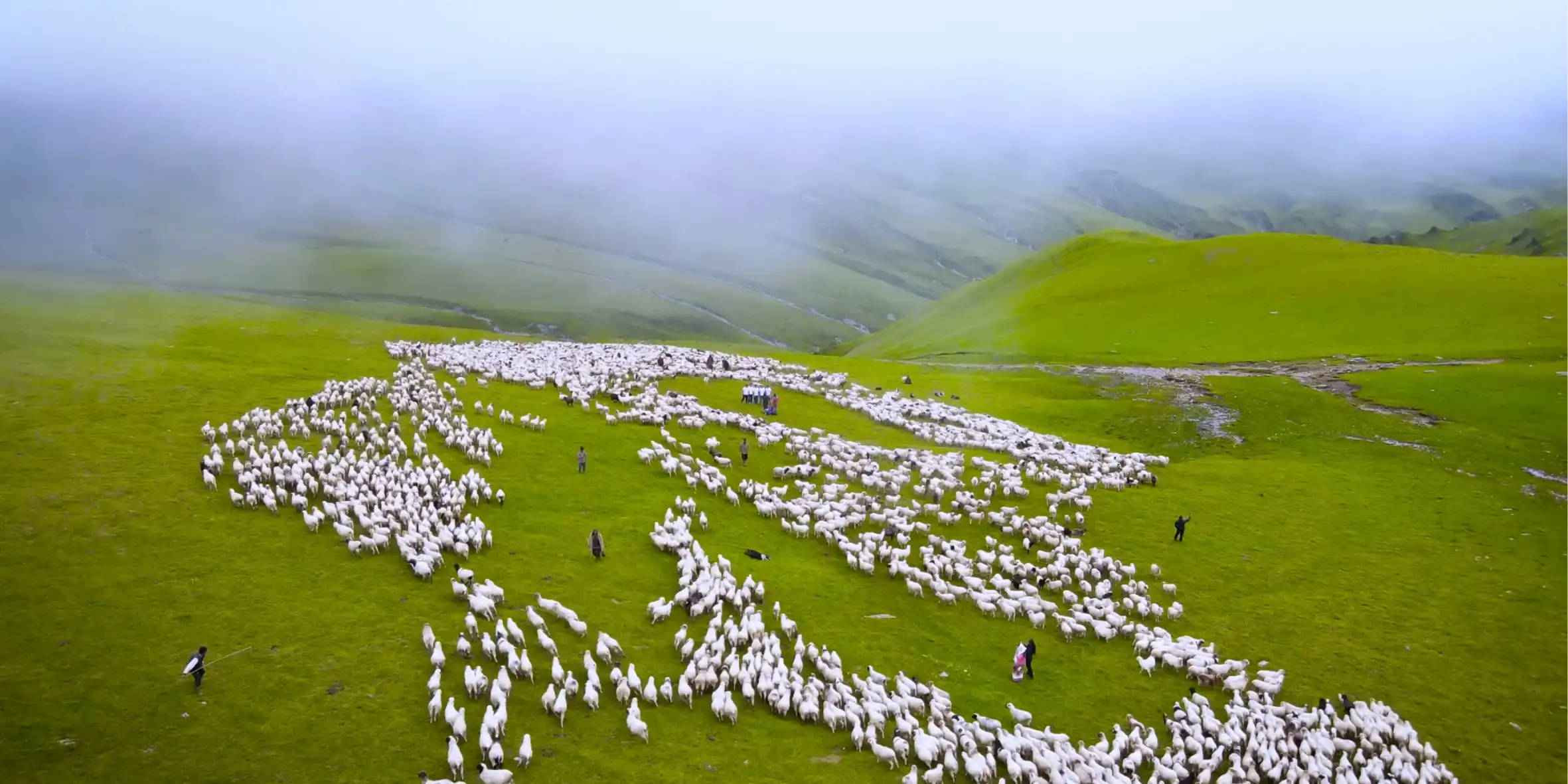
Dhorpatan grazing yaks
02
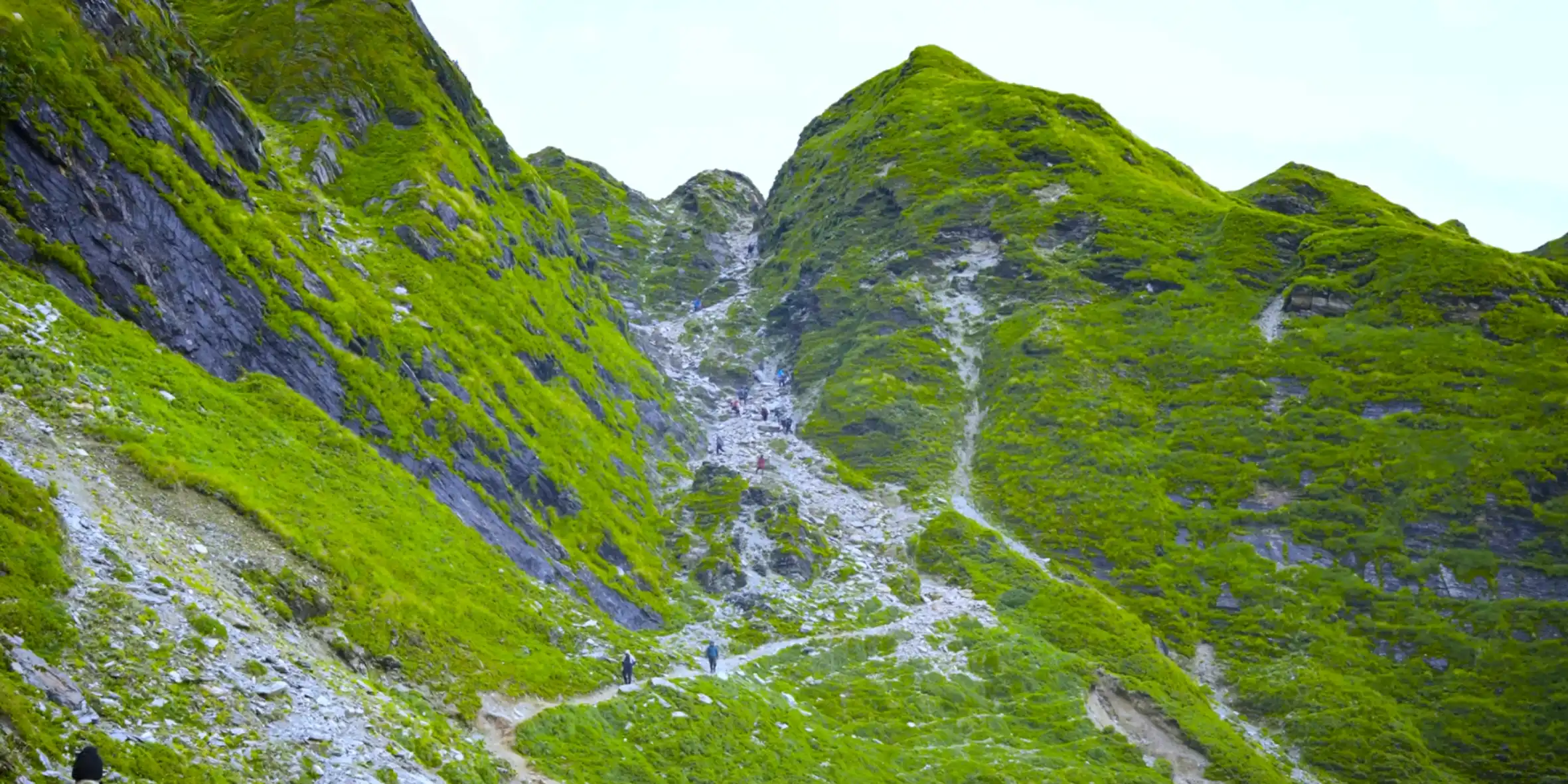
Jang La panoramic views
03
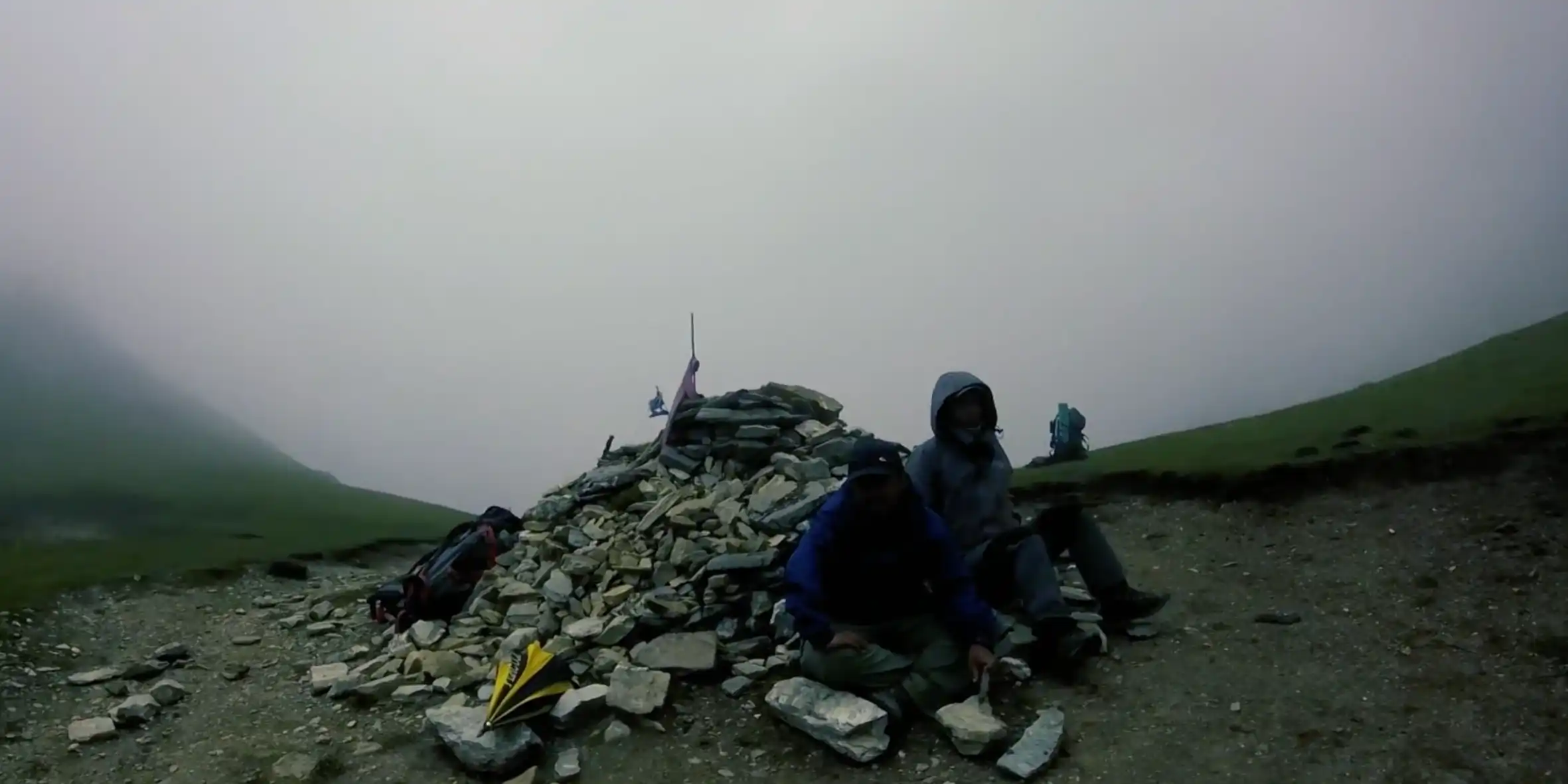
Chharka valley tranquility
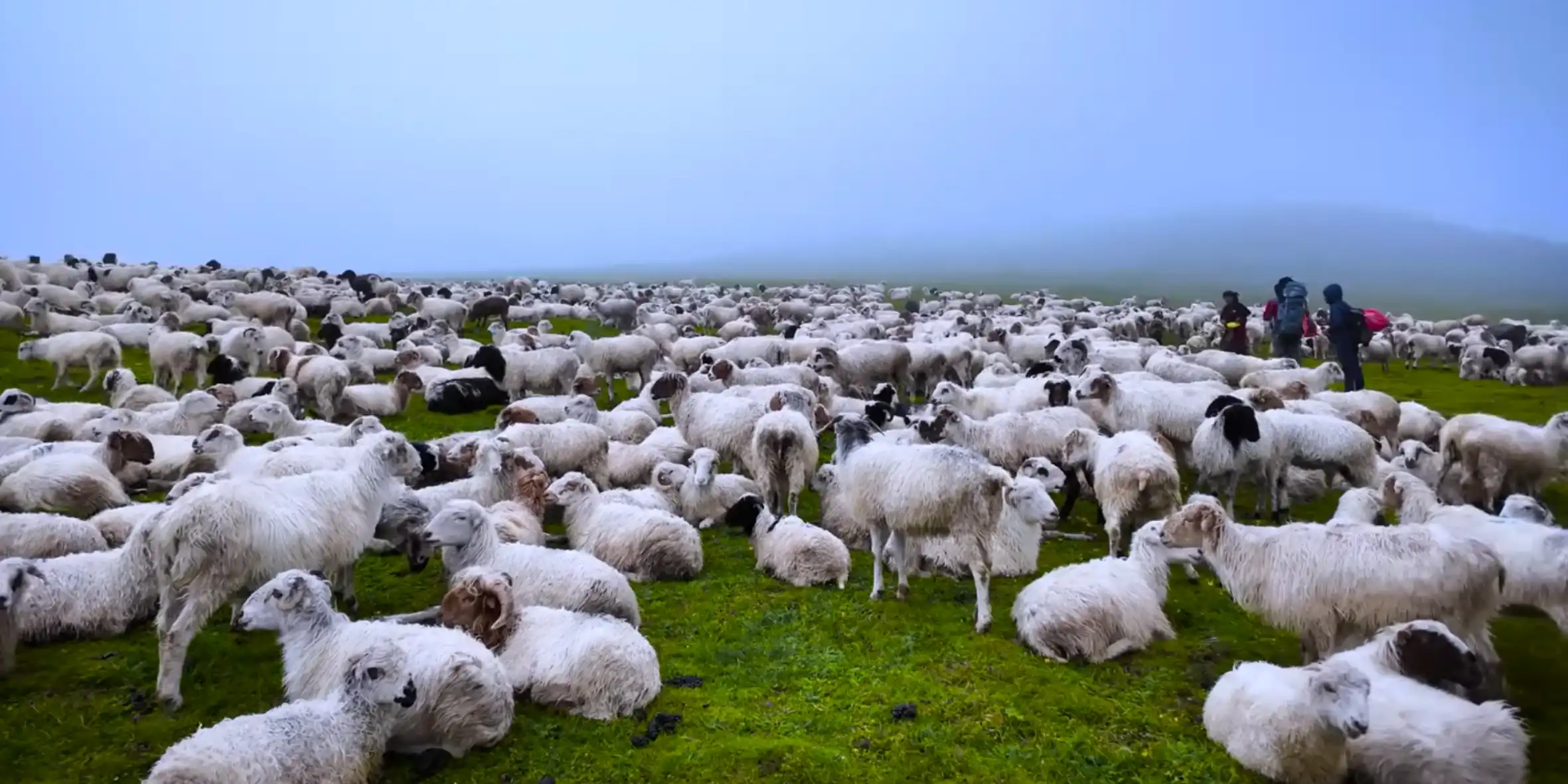
04
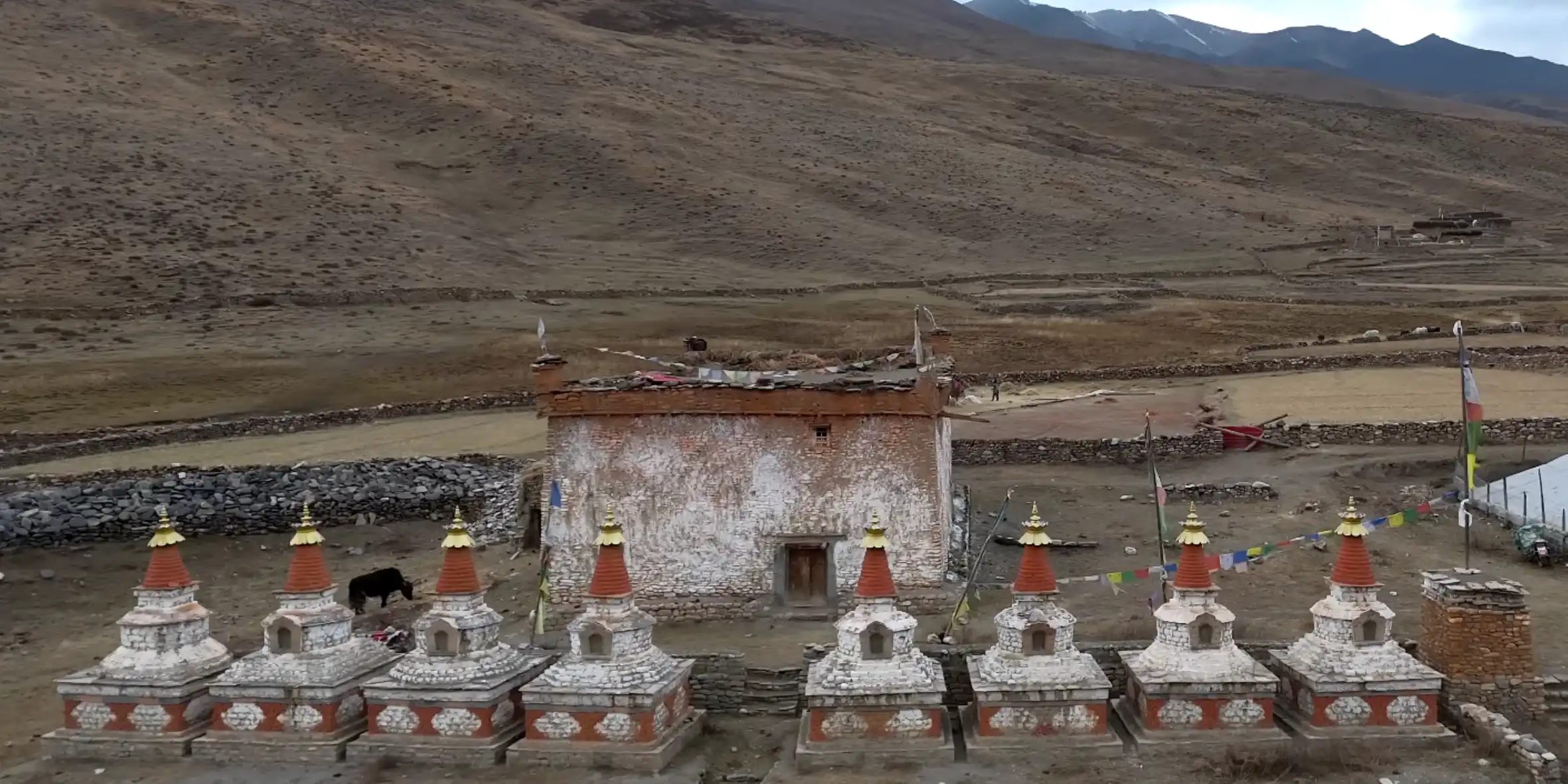
Yak trails through valleys
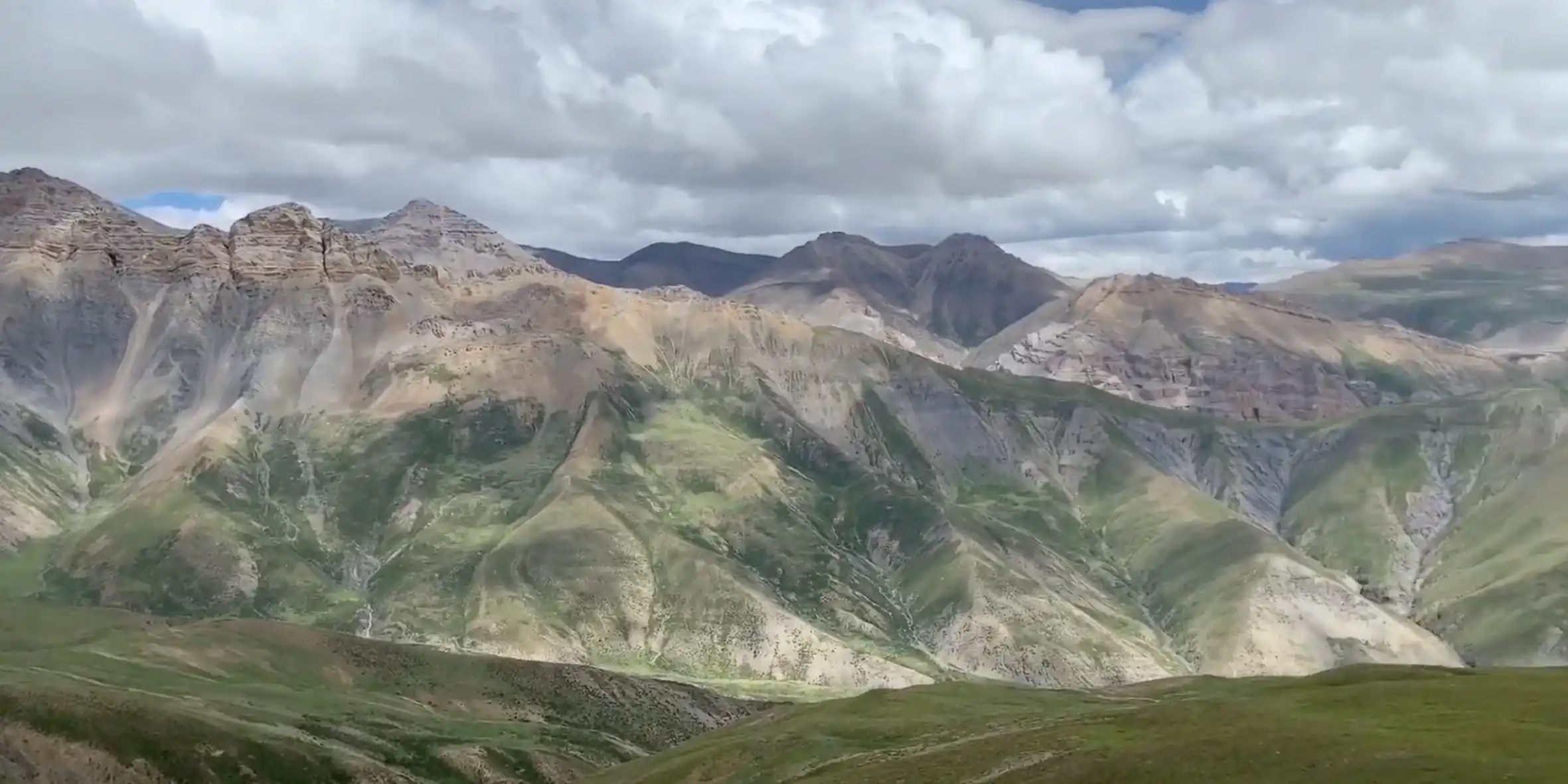
05
Phoksundo Lake reflections
Dates & price
- From
- $4,595 per person
- Deposit
- $920
- Duration
- 31 days
Pick a departure from the calendar and pay the deposit to hold your place. Want a date that isn't listed? Ask us.
Itinerary
Day by day
After the trail
Stay a few more days
Essentials
What's covered
Included
Leader & guide
- Licensed, English-speaking trekking guide with wilderness first-aid training.
Accommodation
- Kathmandu twin-share hotel; camping / village lodges as itinerary.
Internal flights
- Domestic flights as listed (often Nepalgunj sector) for trail access.
Airport transfers
- ETE representative EV private-vehicle pickup at Tribhuvan International Airport; trip briefing on arrival day; local tra
Permits & fees
- Dhorpatan and Lower Dolpo / Shey Phoksundo permits arranged and included.
Porter service
- One porter for every two trekkers, carrying up to 15 kg each.
Kathmandu meals
- Welcome and farewell dinners included; breakfasts provided during stay.
Ground transportation
- Private vehicle transfers only (airport, city, and trailhead sectors as itinerary) — no shared public road transport.
Not included
Trail meals
- Lunch and dinner at locally owned teahouses during the trek.
International flights
- International flights to and from Nepal.
Travel insurance
- Personal travel insurance with high-altitude coverage is mandatory.
Nepal visa
- Visa fees and immigration-related charges.
Personal equipment
- Personal trekking gear such as boots, sleeping bags, and trekking poles.
Tips & gratuities
- Tips for guides, porters, and support staff are customary but discretionary.
Personal expenses
- Expenses such as Wi-Fi, hot showers, and battery charging.
Extra accommodation
- Any additional nights in Kathmandu not part of the itinerary.
Questions
Before you commit
Answer · 01 of 10
How do west Nepal flights and road transfers work — and how should I plan buffer days?
Dolpo and far-west itineraries typically combine a domestic flight (Nepalgunj, Jumla, or similar) with road transfers to a remote trailhead — not the busy Lukla corridor. Weather and thin domestic schedules often delay west Nepal flights and jeep legs; we monitor conditions and rebook when possible. After you return to Kathmandu, consider extending with Kathmandu, Chitwan, or Bardiya Recreations (2 nights · 3 days each) before you leave Nepal.
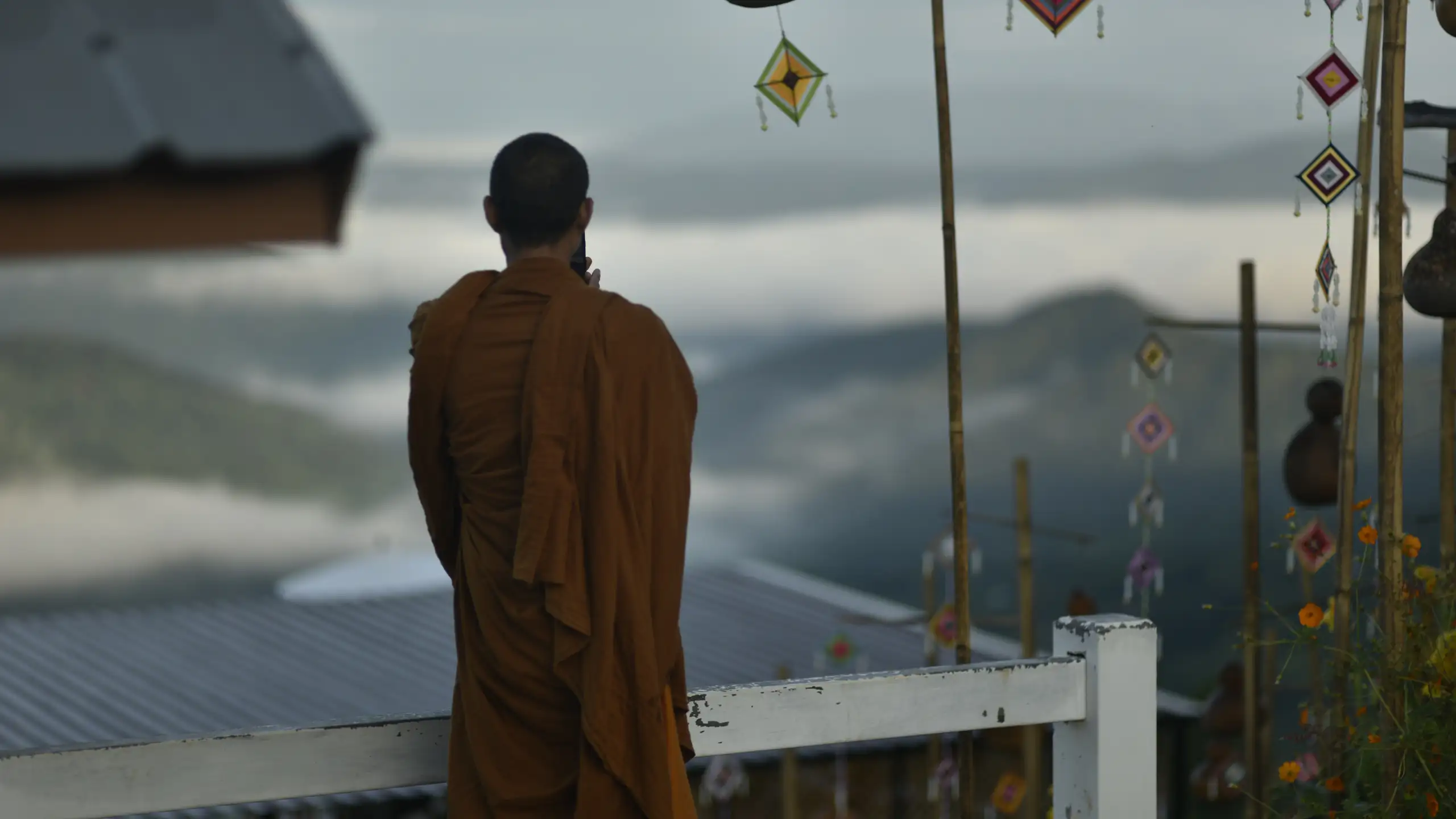
On this trek · Can include major Dolpo high passes such as Numa La (~5,310 m) and Baga La (~5,170 m), depending on the chosen line.
High desert culture. Fragile ground.
Minimal-impact ethics. Fair crew. Deep respect for local custom.
Whole-team stewardship
Packing
What to pack
Dhorpatan to Lower Dolpo Traverse — 31 Days kit — counts for one person.
- 01
Base layers
Moisture-wicking base layers are essential for comfort during treks in remote Himalayan conditions. Choose options that dry quickly and provide good insulation.
- 02
Insulation & shell
Insulating mid-layers such as fleece or lightweight down jackets are crucial. A waterproof and windproof outer shell will protect you from the elements.
- 03
Footwear
Well-broken-in trekking boots with ankle support are necessary to prevent injuries. Lightweight camp shoes or sandals for resting at the end of the day are also
- 04
Sleeping gear
Bring a sleeping bag rated for sub-zero temperatures, as nights can get quite cold. Consider a sleeping pad for added comfort.
- 05
Day pack essentials
A daypack is vital for carrying personal items, snacks, and water. Ensure it's comfortable for long hours of wear.
- 06
Toiletries
Pack personal toiletries, including biodegradable soap and any personal medications. A small, compact first-aid kit can be very useful.
- 07
Documents & money
Carry your trekking permits, passport, and some cash in Nepali rupees for local expenses. Store these in a waterproof pouch.
- 08
First aid & meds
Include basic first-aid items like band-aids, blister care, sunscreen, and sunglasses with UV protection. Water purification tablets or a filter system are also