24 days
Makalu to Everest via Sherpani Col
Traverse Makalu’s Sherpani Col on a 24-day remote expedition linking high cols, wilderness camps, and eastern Nepal approaches.
From
$4,590
Deposit $920
Trip facts
- Duration
- 24 days
- Highest altitude
- 6,145 m
- Best seasons
- April–May · October
Elevation profile
Overview
The Makalu Sherpani Col expedition links Makalu–Barun wilderness approaches with high col travel toward the Khumbu. Twenty-four days stay remote, cold, and logistics-heavy with expedition camping and specialist mountain leadership. It suits Advanced Fit climbers ready for serious high-mountain travel beyond standard teahouse trekking routes.
Map
Explore the route
Highlights
What sets this journey apart
1 / 5
01
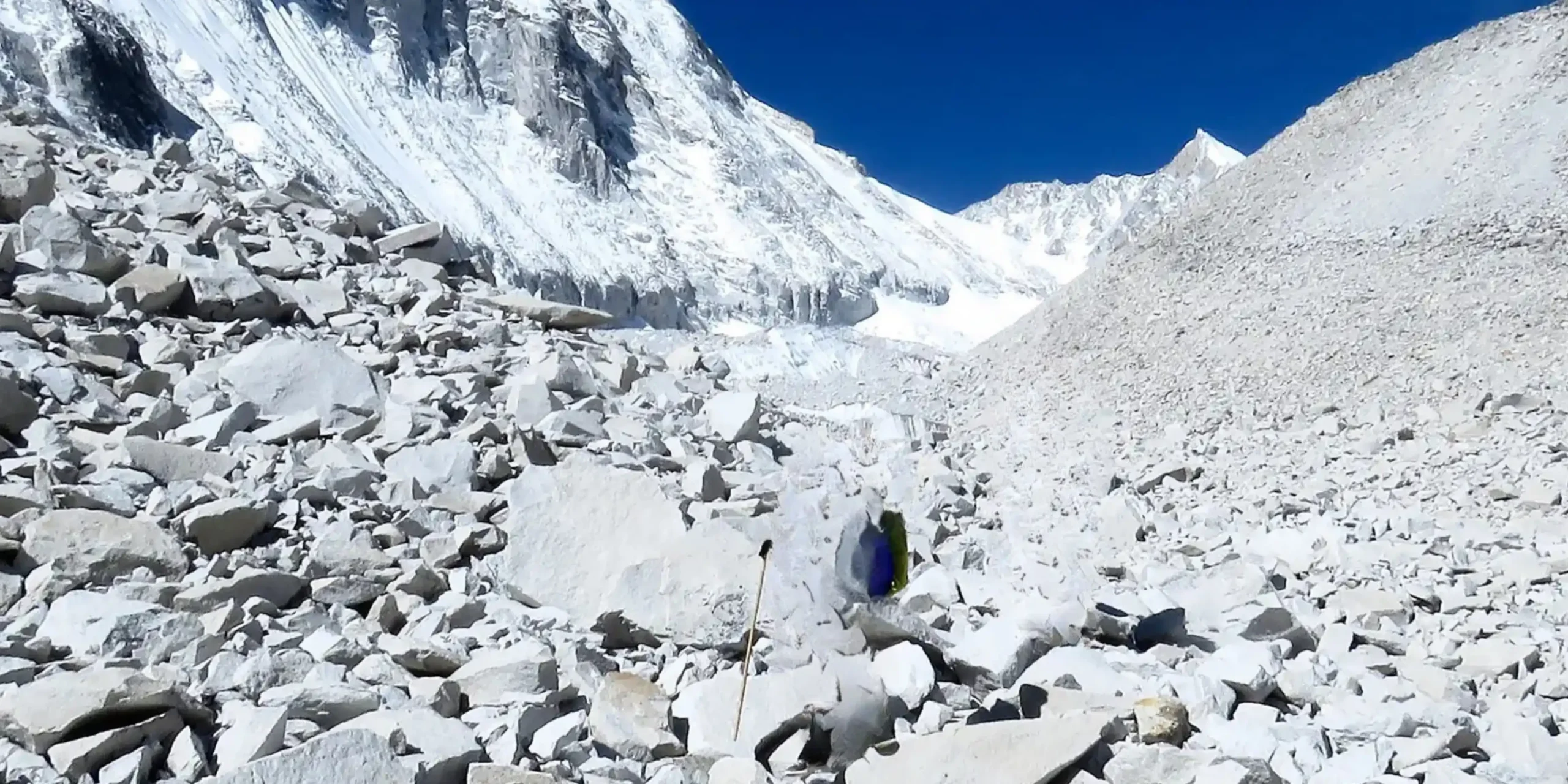
Sherpani Col's icy expanse
02
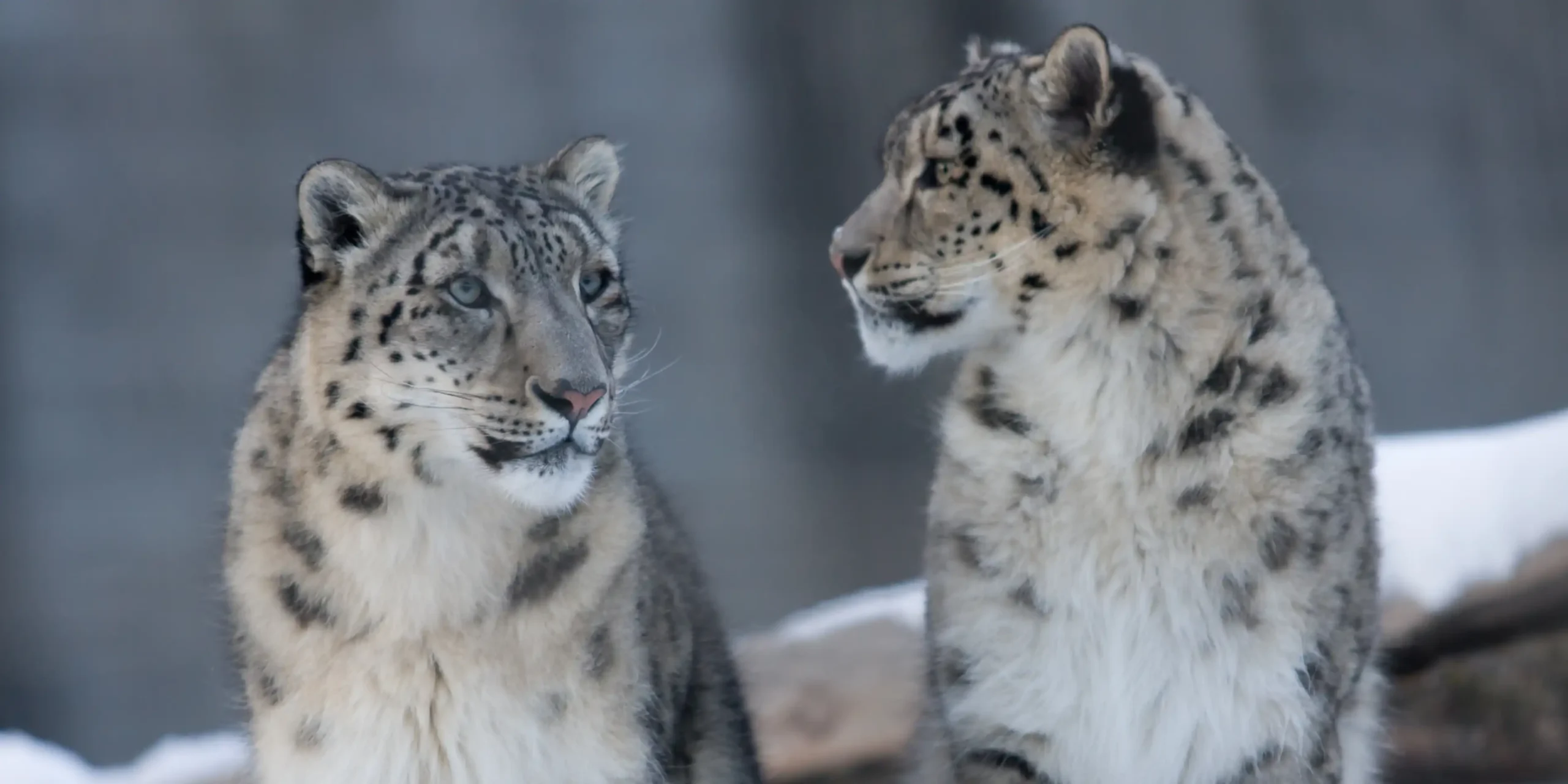
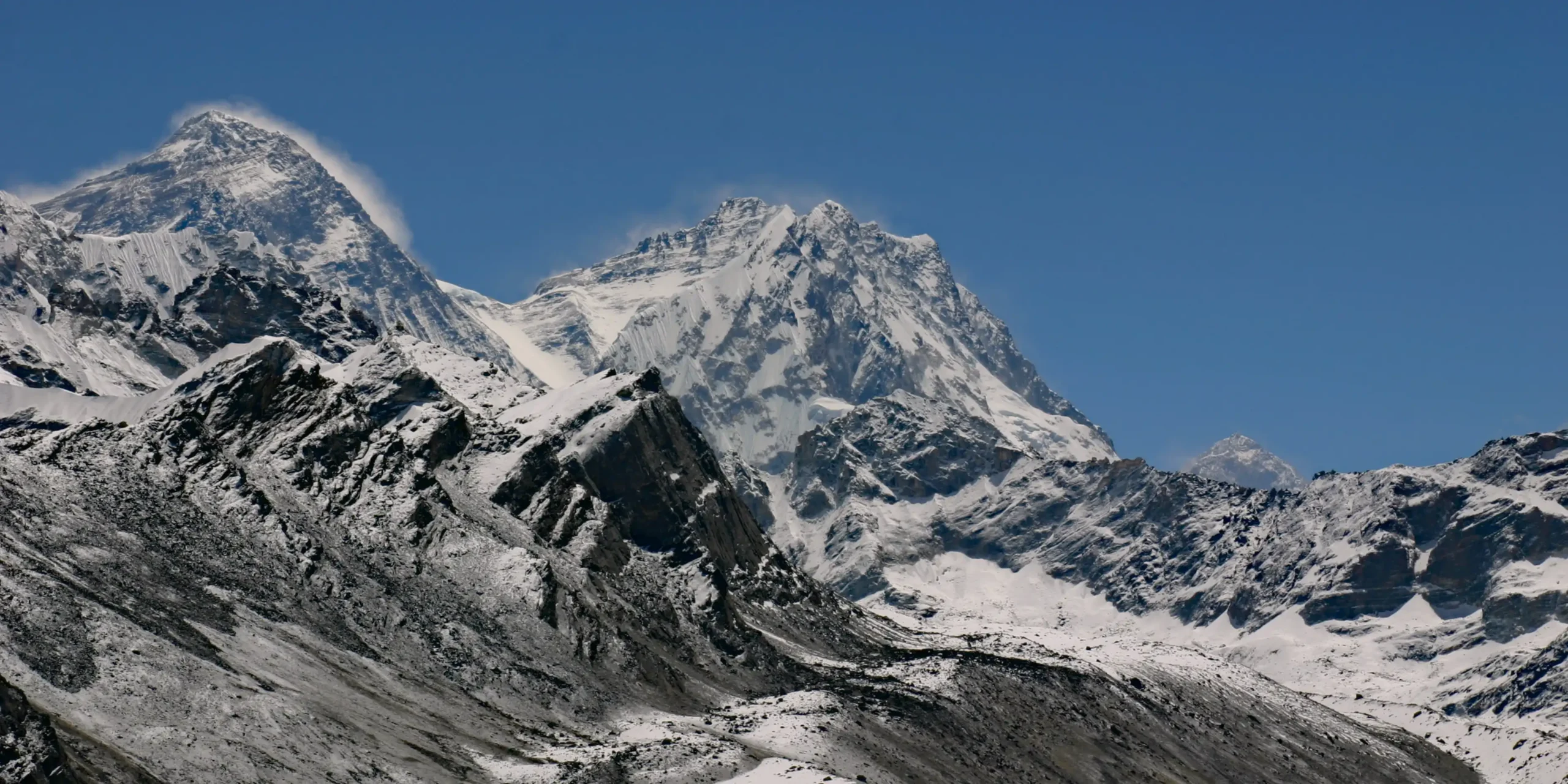
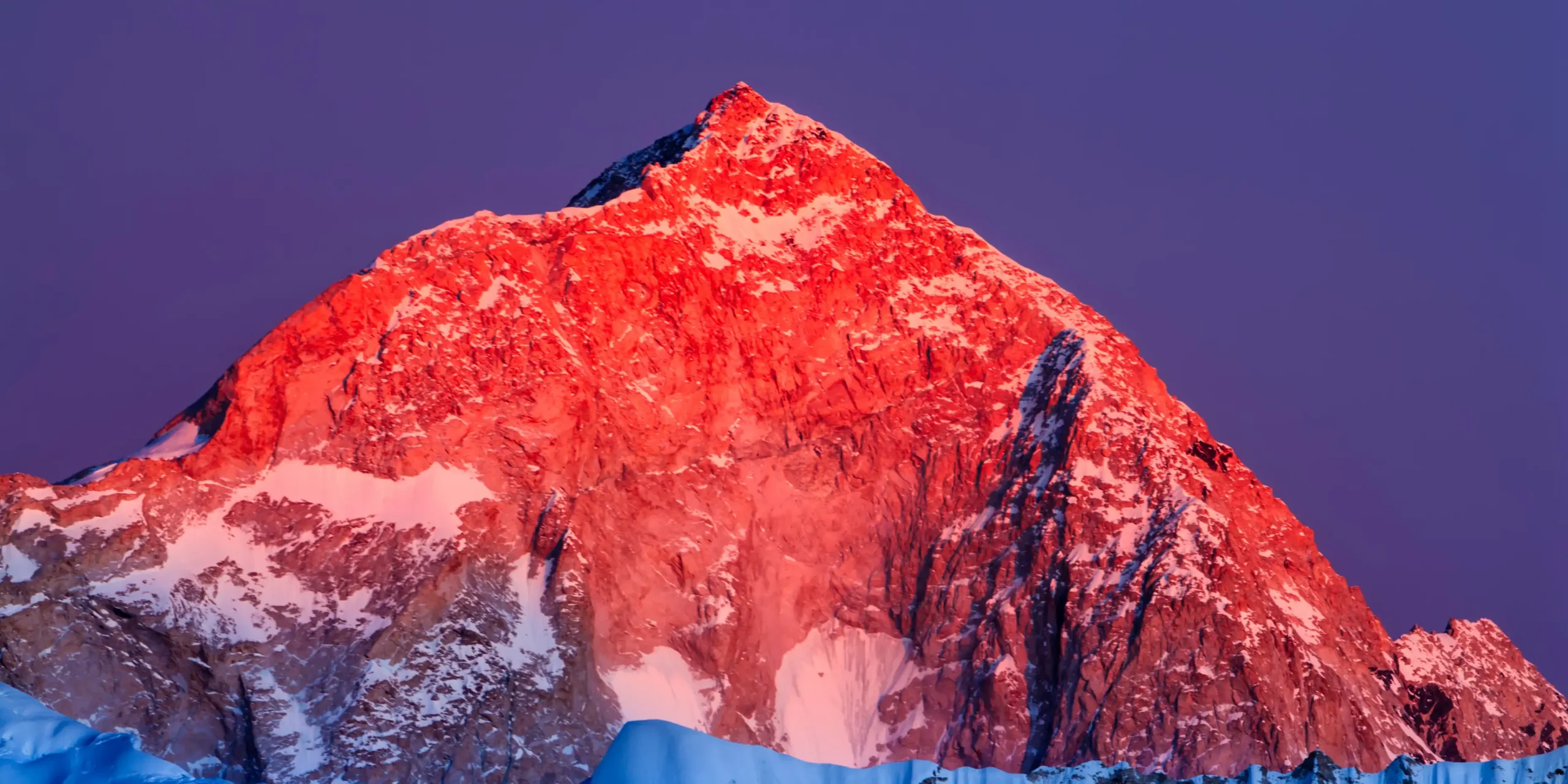
Makalu's towering south face
03
Barun Valley's hidden waterfalls
04
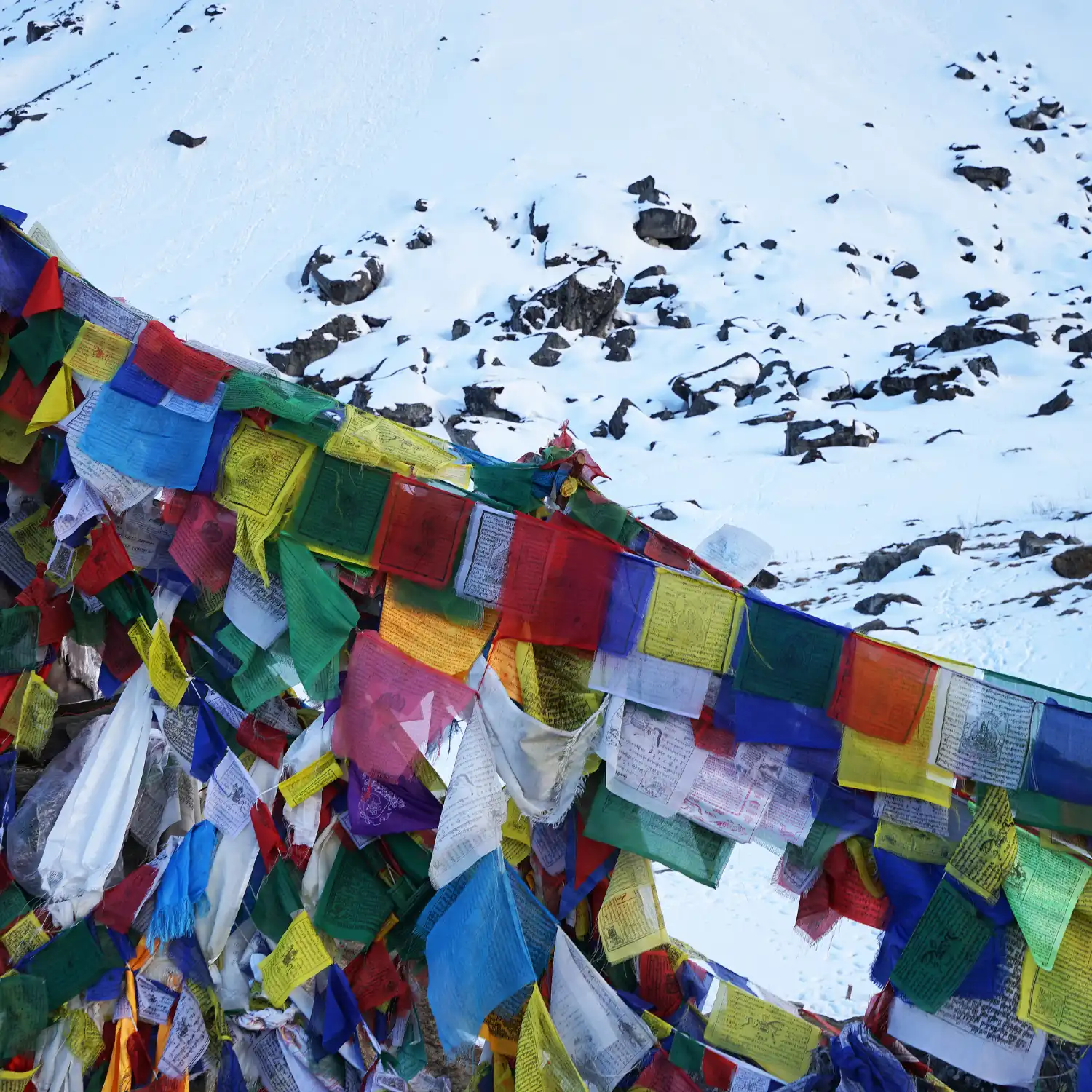
Khumbu's lively prayer flags
05
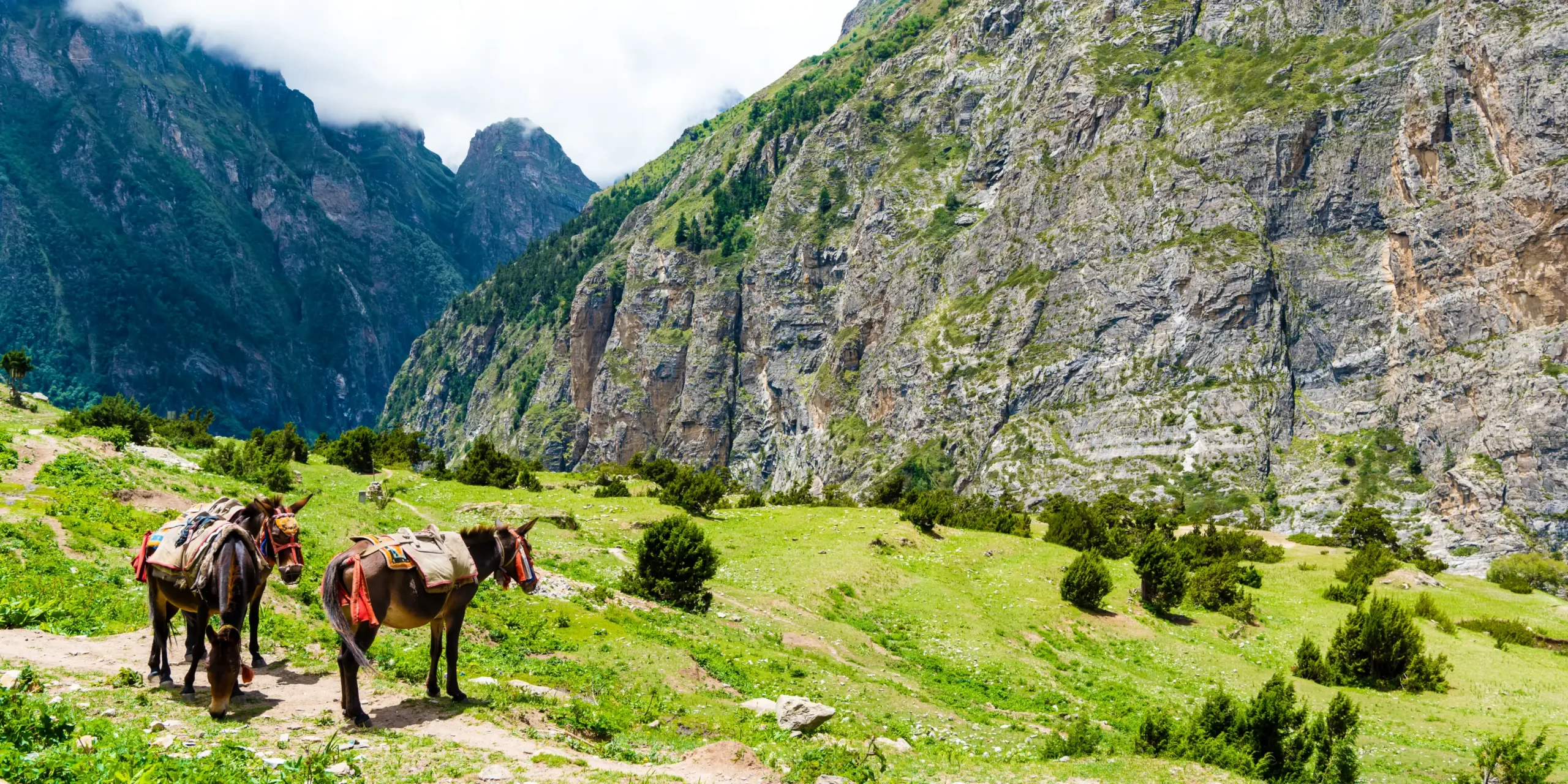
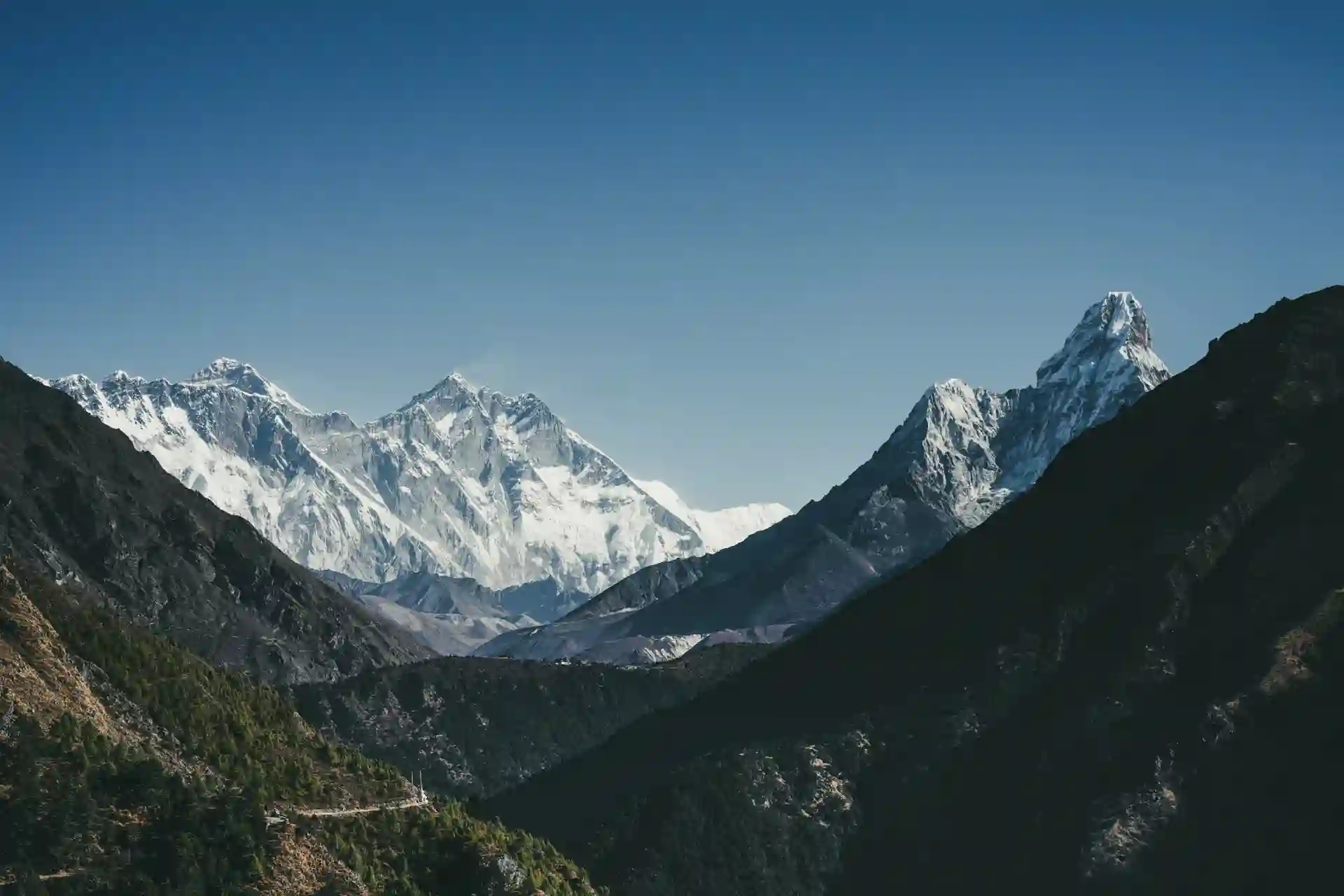
Eastern Nepal wilderness
Itinerary
Day by day
Essentials
What's covered
Included
Leader & guide
- Licensed English-speaking Trip Leader for remote expedition days; wilderness first-aid.
Accommodation
- Kathmandu 5★ twin-share; lodges/teahouses and expedition camps as itinerary.
Internal flights
- Tumlingtar inbound and Lukla exit as itinerary (weather-dependent).
Airport transfers
- Private-vehicle Tribhuvan Airport pickup; Trip Leader arrival briefing and local transfers.
Permits & fees
- Makalu–Barun/restricted-area and Sagarmatha finish permits — arranged and included.
Porter service
- Shared porter: 12 kg total shared between 2 group members.
Kathmandu meals
- City hub meals as listed on arrival and soft-close days.
Ground transportation
- Private vehicle transfers only (airport, city, and trailhead sectors as itinerary) — no shared public road transport.
Not included
Trail meals
- Teahouse meals on trail are guest-paid unless this listing says otherwise.
International flights
- International airfare to/from Nepal is not included.
Travel insurance
- Mandatory heli-evac and remote expedition cover to at least 6,200 m — guest-arranged.
Nepal visa
- On-arrival or e-visa fees are guest-paid.
Personal equipment
- Personal expedition/climbing kit, boots, and sleeping-bag hire are not included.
Tips & gratuities
- Tips for Trip Leader, porters, and expedition support are customary and guest-paid.
Personal expenses
- Snacks, drinks, charging, Wi-Fi, and laundry are guest-paid.
Extra accommodation
- City upgrades beyond included 5★ twin-share (boutique or wellness) are guest-paid.
Questions
Before you commit
Answer · 01 of 10
How do Tumlingtar flights and the Lukla exit work — and what if a flight is cancelled?
After Kathmandu arrival and preparation, you fly to Tumlingtar and continue by private vehicle to Num — the Makalu–Barun gateway — never by shared public bus. The route later finishes toward Lukla, so keep one or two buffer days at the end. A shared helicopter charter between Kathmandu and Lukla is about $500 per person when used. If a flight is cancelled, your Trip Leader presents suitable options and the group majority decides; in some cases that may mean an alternate trip. An overland backup can also apply. After return, Kathmandu, Chitwan, Bardiya, or Lumbini Recreations (2N·3D each) can be added.
Packing
What to pack
Curated for this 24-day Makalu expedition — Tumlingtar to Num, Makalu Base Camp, Sherpani Col, and the Khumbu finish toward Lukla.
- 01
Base layers
Multiple moisture-wicking sets for humid mid-hills then the cold Sherpani Col morning push.
- 02
Insulation & shell
Expedition down (about −20°C) and hard shell for Makalu Base Camp and high col wind.
- 03
Footwear
Double mountaineering boots for cols; light trek boots for the Num–Tashigaon approach from Tumlingtar.
- 04
Sleeping gear
Sleeping bag to −20°C for expedition camps; liner for lower lodge nights before Makalu BC.
- 05
Day pack essentials
35–45 L expedition pack for col days; keep rope-team layers and goggles ready; soft duffel for support loads.
- 06
Toiletries
Biodegradable soap, sanitizer, and toilet kit for sparse lodges from Num onward and remote camps.
- 07
Documents & money
Passport, expedition insurance, and remote-trail cash reserves for lodge and camp spend beyond Tumlingtar.
- 08
First aid & meds
Personal meds, altitude tablets, and blister care; the Trip Leader carries a group medical kit on remote col sections.